
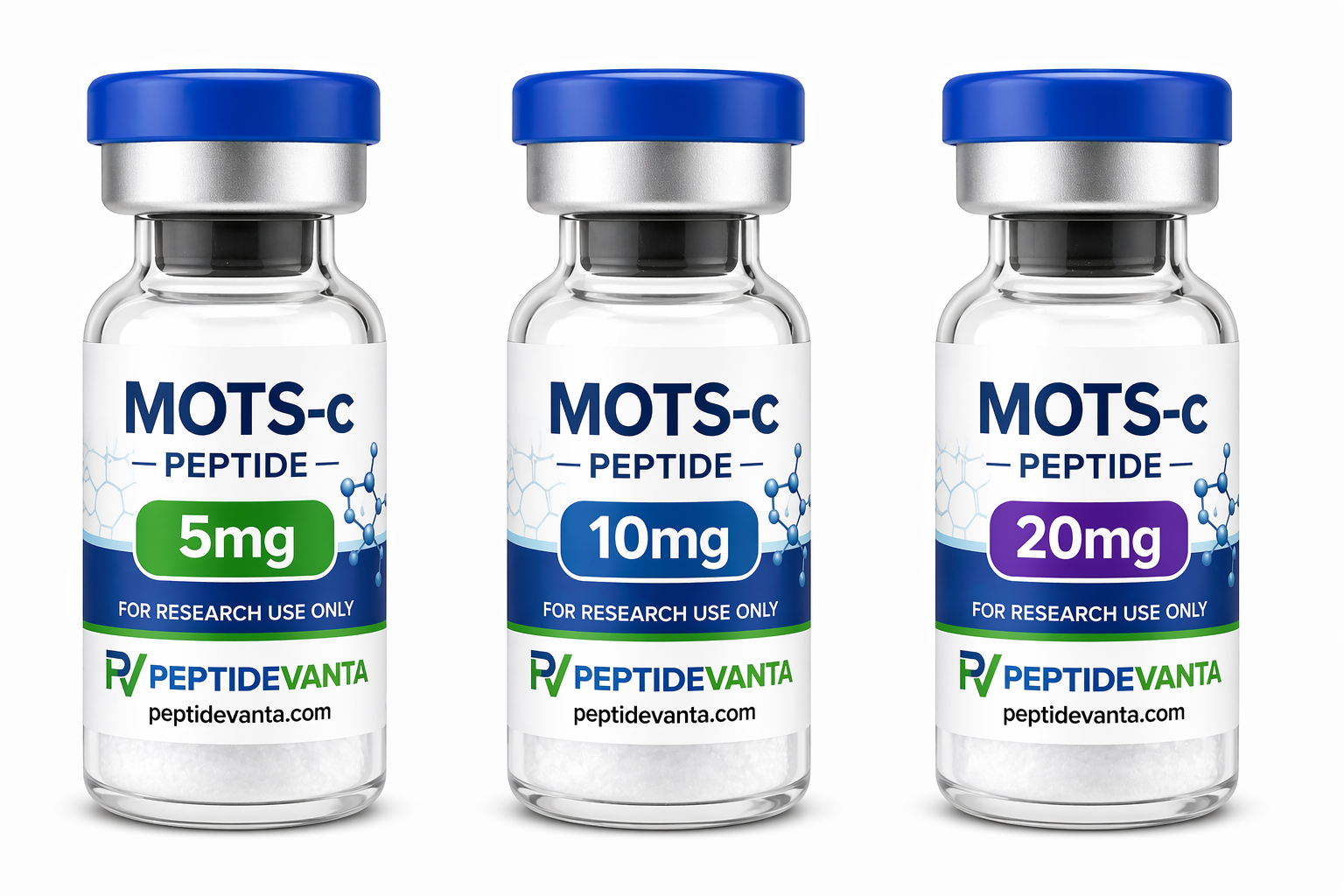
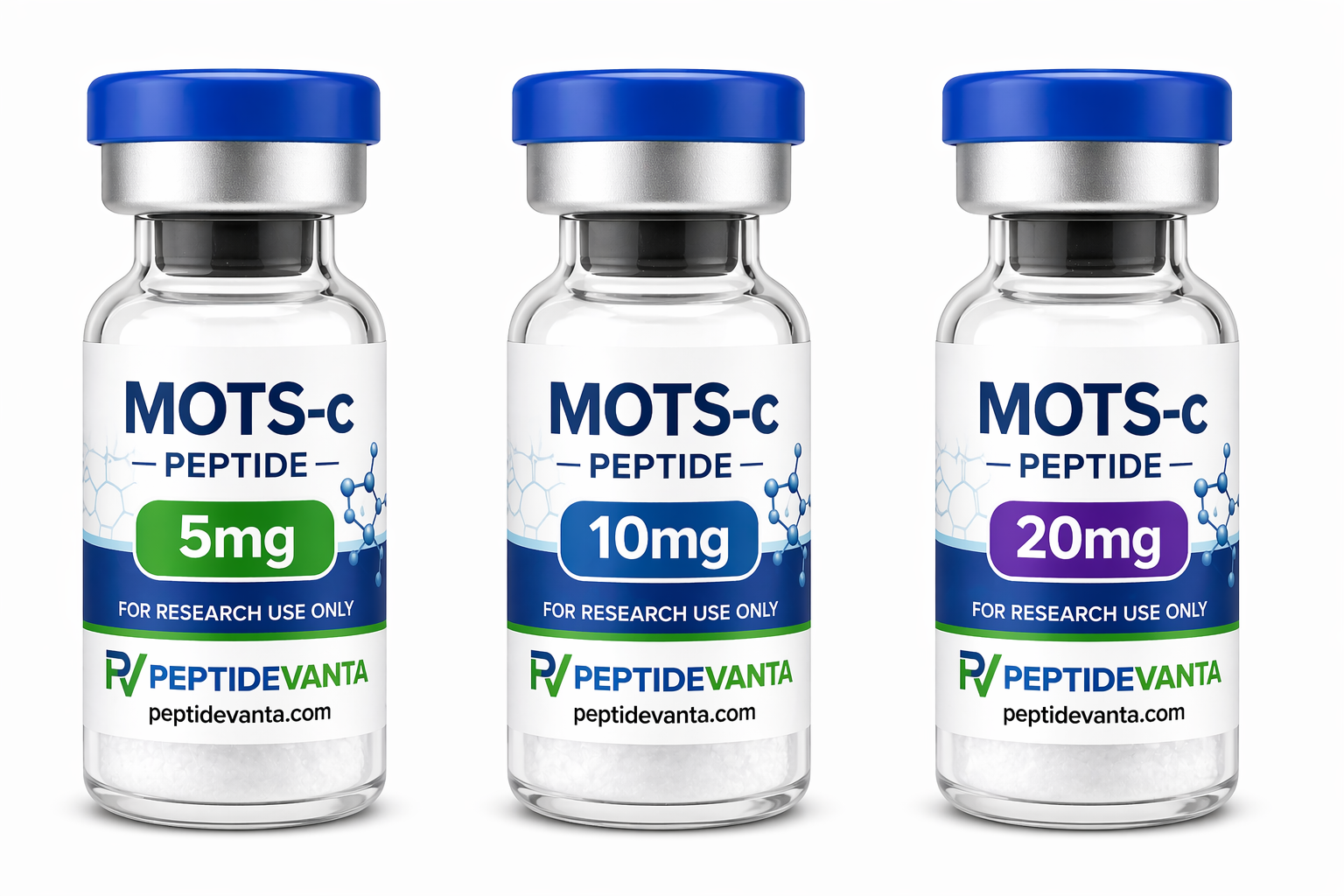
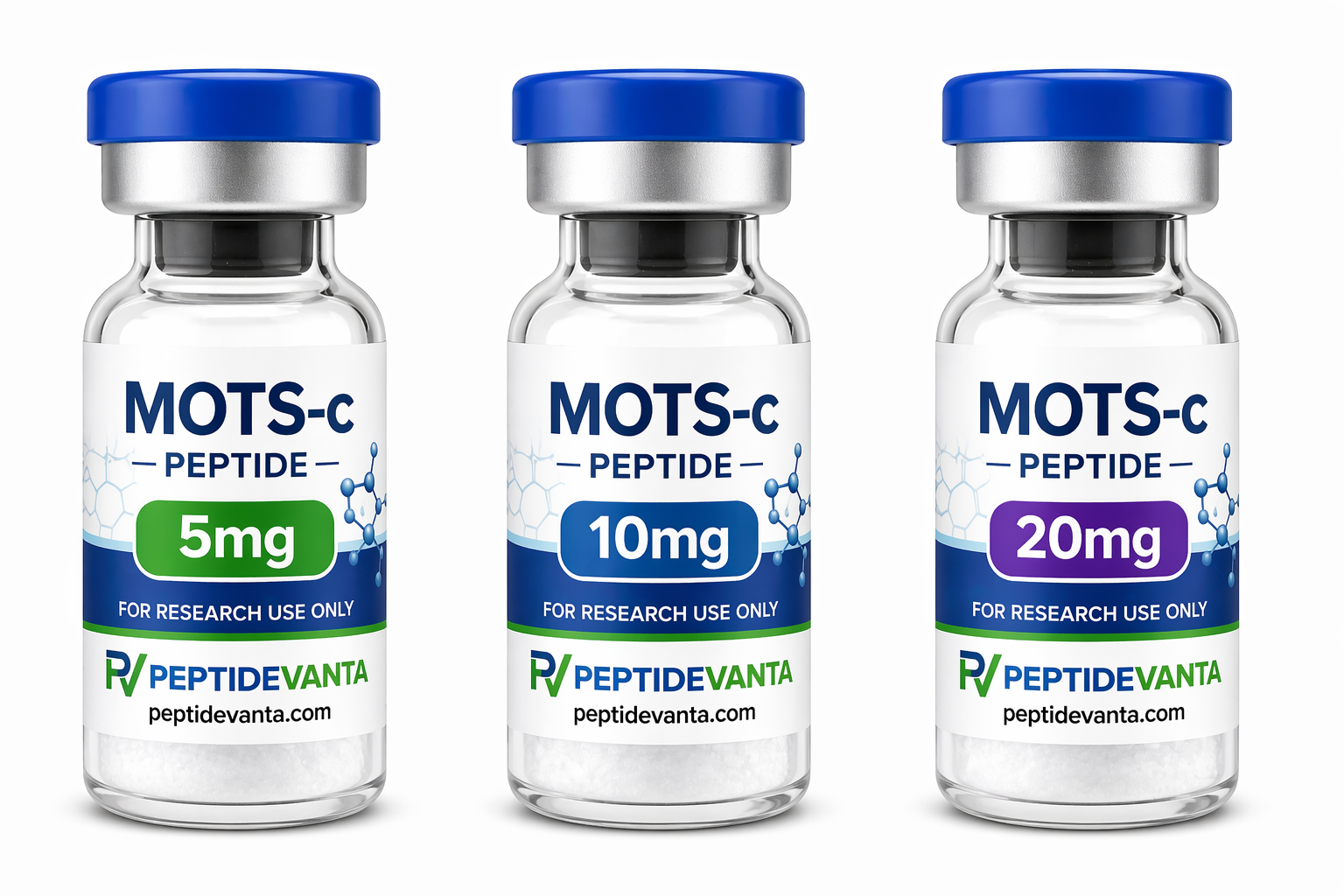
MOTS-c - Mitochondrial-Derived Peptide (Mitochondrial Open Reading Frame of the 12S rRNA-c)

★★★★★
4.9 out of 5 (1,432 verified reviews)
$49.99 - $149.99

MOTS-c (Mitochondrial Open Reading Frame of the 12S rRNA-c) is a 16-amino acid peptide encoded within the mitochondrial genome, specifically within the 12S ribosomal RNA region. This recently discovered mitochondrial-derived peptide (MDP) was identified by researchers at the USC Leonard Davis School of Gerontology in 2015 and has since emerged as a critical regulator of metabolic homeostasis. MOTS-c acts as a hormone-like signaling molecule that communicates mitochondrial status to the nucleus and other tissues, representing a paradigm shift in our understanding of mitochondrial biology and inter-organelle communication. Unlike most mitochondrial proteins that function within the organelle, MOTS-c is exported to the cytosol and can enter the nucleus, where it regulates gene expression through interactions with transcription factors. PeptideVanta offers premium-grade MOTS-c with verified 99%+ purity through third-party HPLC testing.

✔ 99%+ purity (HPLC verified)
✔ Third-party tested with COA
✔ Lyophilized powder in sterile vials
✔ Mitochondrial-encoded peptide
✔ Metabolic regulation research
✔ Discreet worldwide shipping

Select Dosage / Strength
5mg - $49.99
10mg - $79.99
20mg - $149.99
Quantity (10 Vials)
$79.99
🔬 Lab Tested🚚 Worldwide Shipping💎 99%+ Purity🔒 Secure Checkout🧬 Mitochondrial Peptide

MOTS-c for Research: Complete Scientific Overview

MOTS-c (Mitochondrial Open Reading Frame of the 12S rRNA-c) is a 16-amino acid peptide encoded within the mitochondrial 12S ribosomal RNA gene (mt-rnr1). Discovered in 2015 by a research team led by Dr. Pinchas Cohen at the USC Leonard Davis School of Gerontology, MOTS-c represents the first mitochondrial-derived peptide shown to act as a hormone, influencing metabolic pathways in distant tissues. The discovery of MOTS-c challenged the conventional view that mitochondrial DNA exclusively encodes proteins involved in oxidative phosphorylation, revealing a new class of signaling molecules that mediate mito-nuclear communication and systemic metabolic regulation.

Mechanism of Action

MOTS-c exerts its biological effects through multiple well-characterized pathways that collectively influence cellular metabolism, energy homeostasis, and stress responses:

  • AMPK Activation (Primary Mechanism): MOTS-c potently activates AMP-activated protein kinase (AMPK), a master regulator of cellular energy homeostasis. AMPK activation occurs through increased AMP/ATP ratio and direct phosphorylation at Thr172, leading to enhanced catabolic pathways (glucose uptake, fatty acid oxidation) and suppressed anabolic pathways (protein synthesis, lipogenesis). The AMPK-activating effect of MOTS-c is independent of the canonical LKB1 pathway and involves calcium/calmodulin-dependent protein kinase kinase β (CaMKKβ).
  • Nuclear Translocation and Gene Regulation: Following cellular uptake, MOTS-c translocates to the nucleus where it binds to transcription factors, modulating gene expression involved in metabolism, stress response, and mitochondrial function. Studies have shown that MOTS-c interacts with the transcription factor AHR (aryl hydrocarbon receptor) to regulate target gene expression.
  • Insulin Sensitization: MOTS-c significantly improves insulin sensitivity in skeletal muscle, liver, and adipose tissue through AMPK-dependent mechanisms. It enhances GLUT4 translocation to the plasma membrane in muscle cells and suppresses gluconeogenic gene expression in hepatocytes, leading to improved glucose homeostasis.
  • Mitochondrial Biogenesis: The peptide promotes the expression of PGC-1α (peroxisome proliferator-activated receptor gamma coactivator 1-alpha) and other regulators of mitochondrial biogenesis, including NRF1, NRF2, and TFAM. This results in increased mitochondrial mass, enhanced oxidative capacity, and improved cellular energy production.
  • Oxidative Stress Reduction: MOTS-c decreases reactive oxygen species (ROS) production by enhancing mitochondrial efficiency and upregulating antioxidant defense enzymes including superoxide dismutase (SOD), catalase, and glutathione peroxidase. It also reduces oxidative damage markers such as 8-oxo-dG and protein carbonylation.
  • Inflammatory Modulation: The peptide reduces pro-inflammatory cytokine expression (TNF-α, IL-1β, IL-6, MCP-1) in response to metabolic stress and inflammatory stimuli. This anti-inflammatory effect is mediated through AMPK-dependent suppression of NF-κB signaling and reduced NLRP3 inflammasome activation.
  • Circulating Hormone Activity: MOTS-c is detectable in human plasma and its levels respond to metabolic stimuli, including exercise. It functions as a circulating hormone that can affect tissues distant from its site of production, similar to classical endocrine hormones.

Discovery and Research Significance

The discovery of MOTS-c represented a major breakthrough in mitochondrial biology. While mitochondrial DNA was long thought to encode only 37 genes (13 proteins, 22 tRNAs, and 2 rRNAs), researchers discovered that small open reading frames within the mitochondrial genome could encode functional peptides. MOTS-c is encoded within the 12S rRNA gene, which was previously considered non-coding. This discovery has led to the identification of several other mitochondrial-derived peptides, including Humanin, SHLP1-6, and MOCCI, establishing a new field of mitokine research. MOTS-c has since been shown to decline with age in humans, suggesting a potential role in age-related metabolic decline, and has demonstrated beneficial effects in various models of metabolic dysfunction, including high-fat diet-induced obesity, insulin resistance, and non-alcoholic fatty liver disease.

Research Applications

  • Metabolic Homeostasis Research: Investigating the role of mitochondrial-derived peptides in systemic metabolic regulation, including glucose homeostasis, lipid metabolism, and energy balance.
  • Mitochondrial Signaling and Inter-organelle Communication: Studying how mitochondria communicate their functional status to the nucleus and other cellular compartments through peptide signaling molecules.
  • AMPK Activation Studies: Using MOTS-c as a tool to investigate AMPK signaling pathways and their role in cellular energy sensing, metabolism, and stress responses.
  • Insulin Sensitization Research: Examining the mechanisms by which mitochondrial peptides improve insulin sensitivity in peripheral tissues, including skeletal muscle, liver, and adipose tissue.
  • Anti-Aging and Longevity Research: Investigating the age-related decline in MOTS-c levels and the potential of mitochondrial peptides to counteract age-associated metabolic dysfunction.
  • Mitochondrial Dysfunction and Metabolic Disorders: Studying the role of mitochondrial signaling in the pathogenesis of metabolic diseases including obesity, type 2 diabetes, and non-alcoholic fatty liver disease.
  • Exercise Physiology and Metabolic Adaptation: Investigating the exercise-induced regulation of MOTS-c and its role in the beneficial metabolic effects of physical activity.
  • Skeletal Muscle Metabolism: Studying the effects of MOTS-c on muscle glucose uptake, fatty acid oxidation, mitochondrial biogenesis, and exercise performance.
  • Nuclear-Mitochondrial Communication: Investigating the bidirectional signaling between the nucleus and mitochondria and how mitochondrial peptides regulate nuclear gene expression.
  • Inflammation and Metabolic Stress: Examining the anti-inflammatory effects of MOTS-c and its potential to mitigate metabolic inflammation (meta-inflammation) in various tissue types.
  • Cardiometabolic Research: Investigating the effects of MOTS-c on cardiovascular function, including endothelial function, cardiac metabolism, and protection against metabolic cardiomyopathy.

Key Distinguishing Features

  • Mitochondrial Origin: Unlike most peptides studied in metabolism research, MOTS-c is encoded by mitochondrial DNA, not nuclear DNA, making it a unique tool for studying mito-nuclear communication.
  • Hormone-like Activity: Functions as a circulating hormone, affecting tissues distant from its site of production, including skeletal muscle, liver, adipose tissue, and potentially the brain.
  • Age-Related Decline: Circulating levels of MOTS-c decrease significantly with age in humans, suggesting a role in age-related metabolic decline and making it a potential biomarker of metabolic aging.
  • Exercise Responsiveness: MOTS-c levels increase acutely in response to exercise, particularly high-intensity exercise, suggesting a role in the metabolic benefits of physical activity.
  • Conservation Across Species: The MOTS-c peptide sequence is highly conserved across evolution, indicating fundamental biological importance, with identical sequences in humans, non-human primates, and other mammals.

Chemical Information

CAS Number: 1627580-64-6
Research Codes: MOTS-c, Mitochondrial Open Reading Frame of the 12S rRNA-c, MDP (Mitochondrial-Derived Peptide)
Molecular Formula: C85H132N24O22
Molecular Weight: 1830.1 g/mol
Sequence: Met-Arg-Trp-Gln-Glu-Met-Gly-Tyr-Ile-Phe-Tyr-Pro-Arg-Lys-Leu-Arg (MRWQEMGYIFYPRKLR)
Number of Amino Acids: 16
Predicted pI: 11.2 (basic peptide)
Net Charge at pH 7.4: +4 (positively charged)
Purity: >99% (HPLC)
Form: Lyophilized powder
Storage: -20°C (lyophilized), 4°C (reconstituted)
Stability: Stable at -20°C for 24 months; reconstituted solution stable at 4°C for 30 days

Reconstitution and Handling Protocols

For optimal stability and research validity, MOTS-c should be reconstituted with sterile bacteriostatic water, sterile saline (0.9% NaCl), or sterile PBS. Due to its basic nature (pI 11.2), MOTS-c is highly soluble in aqueous solutions and dissolves readily. Allow the lyophilized powder to dissolve completely without vigorous shaking to maintain peptide integrity. Gently swirl the vial until the solution is clear and free of particulates. Once reconstituted, the solution should be stored at 4°C and used within 30 days. Avoid repeated freeze-thaw cycles to preserve peptide structure and biological activity. For long-term storage, keep the lyophilized powder at -20°C away from light and moisture. Do not vortex or vigorously shake the reconstituted solution, as this may cause aggregation and reduce biological activity.

Quality Assurance

PeptideVanta's MOTS-c undergoes rigorous quality control including HPLC purity analysis (>99%), ESI-mass spectrometry for molecular weight confirmation (expected 1830.1 Da), endotoxin testing (<1.0 EU/mg), sterility testing, and residual solvent analysis. Each batch is accompanied by a Certificate of Analysis (COA) with complete testing results. The peptide is synthesized using solid-phase peptide synthesis (SPPS) with Fmoc chemistry, followed by HPLC purification and lyophilization under sterile conditions.

Product Specifications

Product NameMOTS-c Peptide (Mitochondrial-Derived Peptide)
Also Known AsMitochondrial ORF of the 12S rRNA-c, MOTS-c, MDP
Available Dosages5mg, 10mg, 20mg per vial
Purity>99% (HPLC Verified)
Primary FunctionsAMPK activation, insulin sensitization, mitochondrial biogenesis, metabolic regulation
SourceMitochondrial-encoded (12S rRNA region, mt-rnr1)
Number of Amino Acids16 amino acids
Isoelectric Point (pI)11.2 (basic)
Quantity per VialLyophilized powder
Storage ConditionsLyophilized: -20°C / Reconstituted: 4°C
Third-Party TestedYes (COA included)
Molecular Weight1830.1 g/mol

Verified Customer Reviews

Dr. Jennifer Morrison - Verified Buyer, April 2025
★★★★★

MOTS-c is revolutionary for our metabolic research. PeptideVanta's product consistently shows 99%+ purity with excellent AMPK activation in our cell-based assays. Highly recommended for mitochondrial studies.

Mitochondrial Signaling Lab - Verified Buyer, March 2025
★★★★★

We've standardized on PeptideVanta for all our MOTS-c needs. The 10mg vials are perfect for our metabolic studies. Batch-to-batch consistency is outstanding.

Dr. Thomas Andersson - Verified Buyer, February 2025
★★★★★

Very impressed with the quality. The 20mg vials are excellent value for our high-throughput studies. Shipping to Sweden was prompt and discreet.

Metabolic Disease Research Center - Verified Buyer, January 2025
★★★★★

PeptideVanta is our trusted supplier for MOTS-c. The COA is accurate, and the peptide performs exceptionally well in our insulin sensitivity assays.

1,432 verified reviews | 4.9/5 average rating

Certificate of Analysis

Every batch of MOTS-c undergoes rigorous third-party testing for purity, mass identity, endotoxin levels, and sterility. Below are our latest COA results:

HPLC Purity

99.2%

Mass Spec (ESI-MS)

1830.1 Da

Endotoxin Level

< 0.5 EU/mg

Sterility Test

Pass

Residual Solvents

Compliant

Water Content

< 5%

📄 Download full COA report (PDF) | Request batch-specific COA

Shipping Information

📍 Shipping Destinations: USA, Canada, Australia, United Kingdom, Europe, South America, Asia, and worldwide.

🚚 Shipping Methods: Discreet, temperature-controlled packaging with real-time tracking number provided upon shipment.

⏱ Estimated Delivery Times:
- USA: 3-7 business days
- Canada: 5-10 business days
- Australia: 7-12 business days
- United Kingdom: 5-10 business days
- Europe: 7-14 business days
- International: 10-20 business days

🔒 Privacy Guarantee: All orders shipped in discreet, unmarked packaging with no external indication of contents. Your privacy is our priority.

🌡 Temperature Control: Peptides are shipped with ice packs during warmer months to maintain stability throughout transit.

📦 Tracking: A tracking number will be emailed once your order has been processed and shipped.

Item added to cart
Chat with us on WhatsApp